
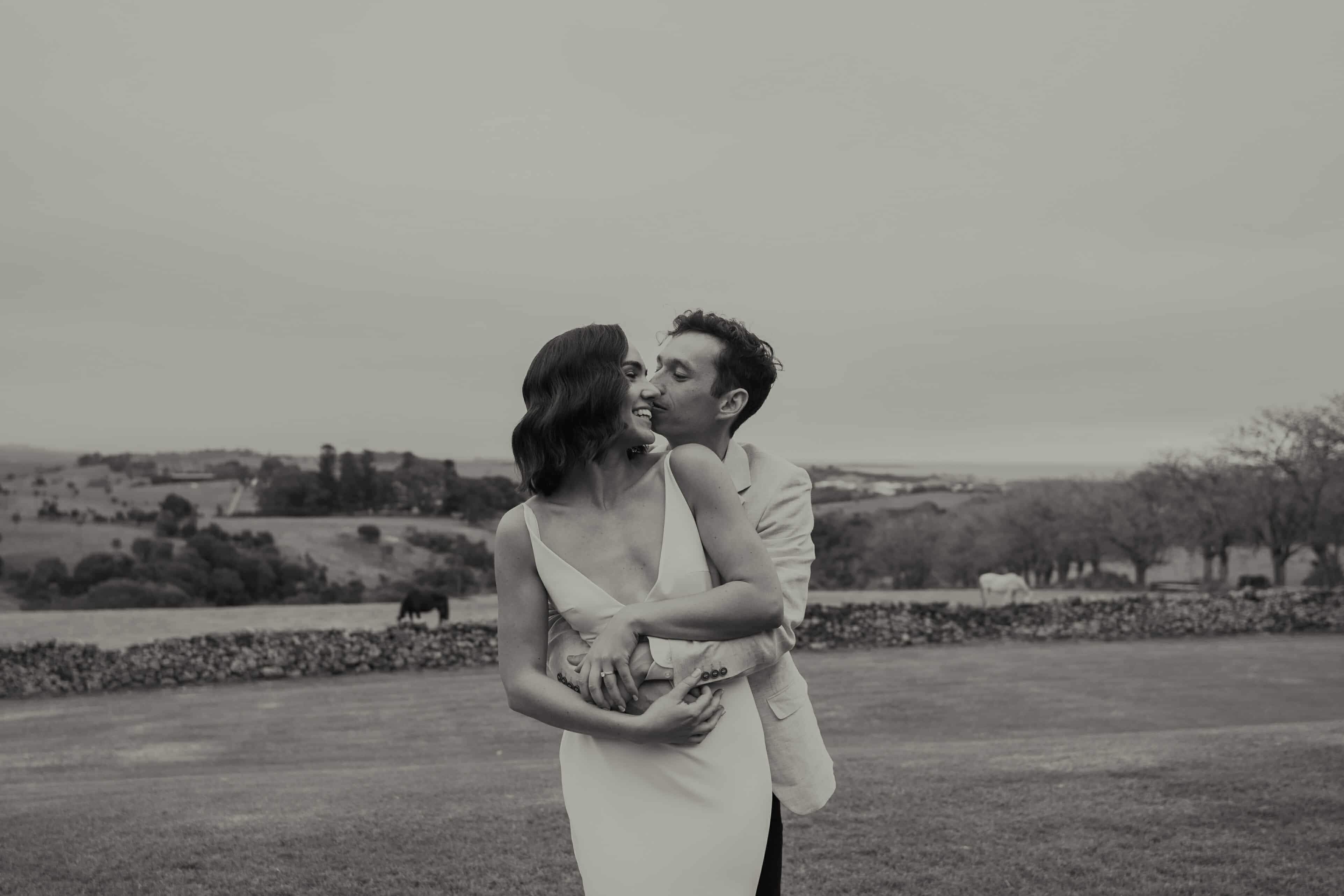


Candid wedding photographs come from a day with enough room for people to be together — not from spending the whole celebration pretending the camera is not there. Keep the people who matter close, protect a little breathing room and choose a photographer who can anticipate moments without constantly interrupting them.
You can still make a few strong editorial portraits. The key is keeping that part focused and close to the celebration, so most of the day remains yours rather than becoming a long photoshoot.

The short answer
The best way to get candid wedding photos is to plan for real interaction. Put your favourite people in the same spaces, leave small gaps between formalities, keep the portrait session concise and tell your photographer which relationships matter. That creates far more useful opportunities than a long list of supposedly spontaneous shots.
Candid does not have to mean completely undirected. Most of the day can be observed as it unfolds, while family groups, difficult light and a short portrait session still benefit from clear, efficient guidance.
What candid wedding photography actually means
A candid photograph records a real reaction, interaction or transition rather than asking someone to repeat it for the camera. It might be a guest reacting during the ceremony, the relief just after the vows, a quick conversation at drinks or the energy building on the dance floor.
That is compatible with an editorial finish. A gallery can feel polished because of composition, timing, light and careful editing without making every person perform. My approach is observational through most of the day, with concise direction when it genuinely improves a portrait or keeps the schedule moving.
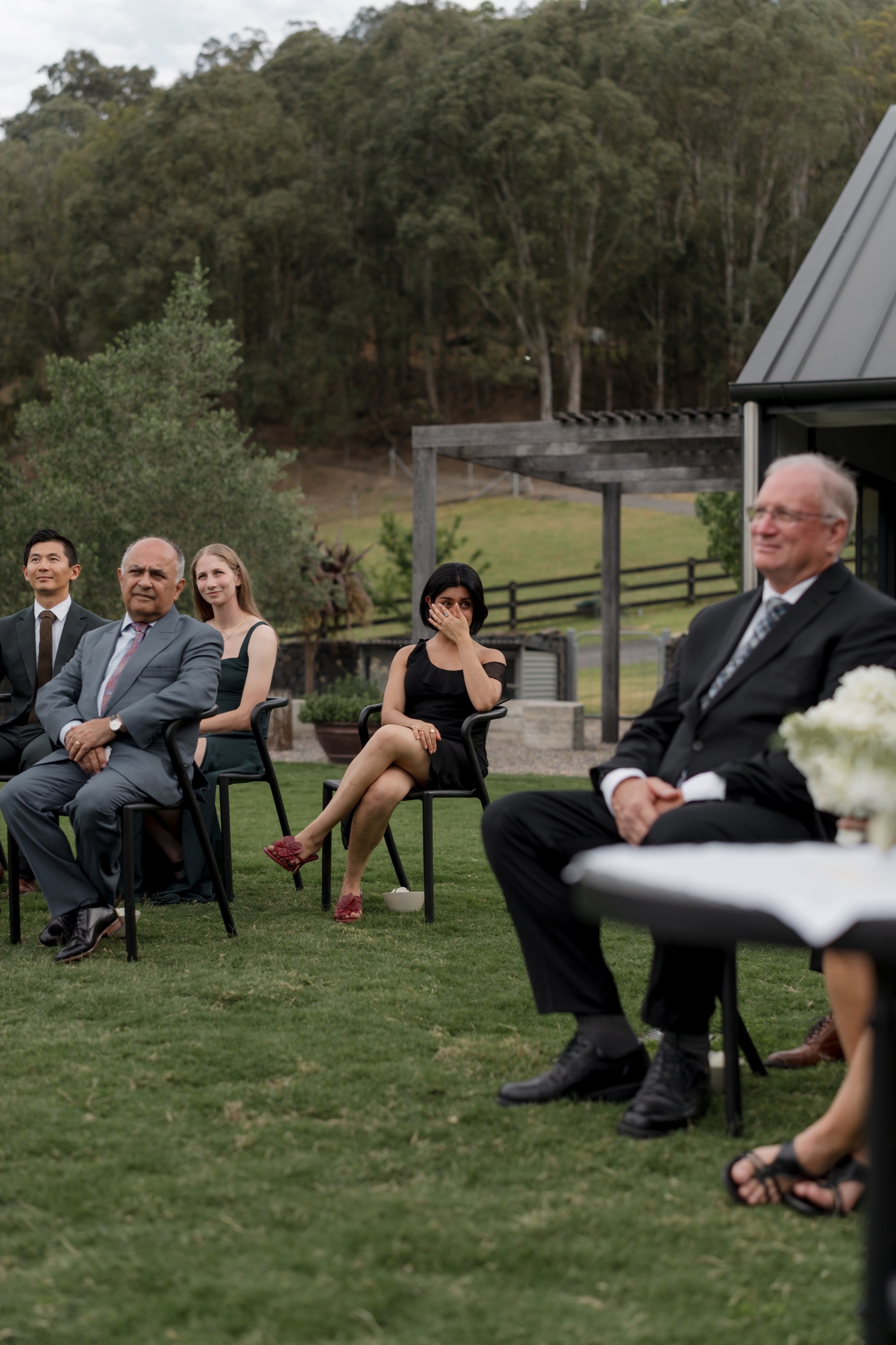
Candid coverage depends on watching the people around the main event, not only the person speaking.
Plan for people, not a candid shot list
A family-photo list is useful because it organises people who need to be in a formal frame. A candid shot list is different: once spontaneous moments are scripted too tightly, the photographer is looking for a checklist instead of reading the room.
Tell your photographer about relationships instead. Mention the grandparent you are especially close to, the friend who has travelled across the world, the sibling likely to give an unplanned speech or the group that will bring the dance floor to life. That context helps the photographer recognise important interactions without staging them.
Share priorities, not poses. Explain who and what matters, then leave room for the photographer to respond.
Keep the formal list short. Organised family groups are valuable, but a long sequence can use the most social part of the afternoon.
Review full galleries. Look for guest reactions, transitions, reception photographs and quiet moments as well as couple portraits.
Keep the people you care about close
Room layout affects candid photography more than couples often expect. If preparation happens in a large house, invite the people you want photographed to spend time in the same room rather than scattering through bedrooms and hallways. If there is a quiet room for dressing, bring the people who matter in before the final buttons, veil or jacket.
The same principle applies after the ceremony. Leave enough time for the immediate hugs and congratulations before moving everyone into family groups. Those first few minutes often hold the most open reactions of the day.
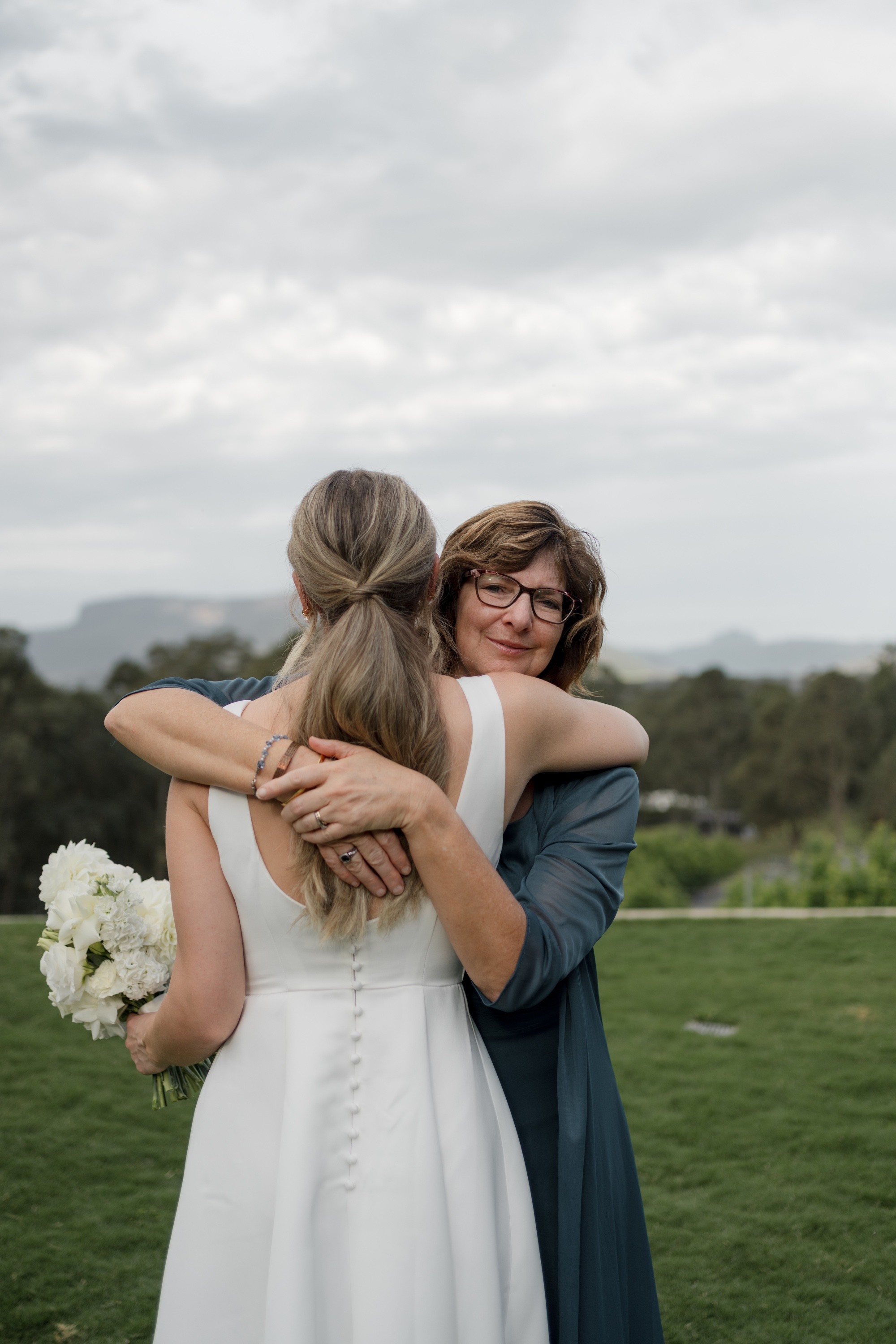
A few unhurried minutes after the ceremony can hold more feeling than an extra staged setup.
Protect breathing room in the timeline
A tightly packed run sheet can leave everyone moving from one instruction to the next. Candid photographs need transitions: the conversation before leaving preparation, the walk back from the ceremony, drinks before reception seating and the pause after a speech.
You do not need large empty blocks. Small realistic buffers around travel, family photos and reception formalities are enough. The detailed NSW wedding photography timeline guide shows how to build those transitions without padding the day for no reason.
Coverage length matters too. If candid reception photographs are a priority, make sure the booking reaches the part of the evening when people have stopped watching the schedule and started enjoying themselves. Compare 6, 8 and 10 hours of wedding photography coverage against your real run sheet rather than choosing by guest count.
Keep portraits focused and close to the celebration
Every long portrait detour is time away from guests. Choose one or two nearby locations that give a useful change in light or background, then work efficiently. A concentrated portrait session can produce a strong editorial set without turning cocktail hour into a location tour.
Splitting portraits can work well. Make a reliable set after the ceremony, return to guests, then step out for another ten minutes only if the light and schedule suit. If spending cocktail hour with guests is a priority, a first look can move some portraits earlier, although it should fit the way you actually want the day to feel.
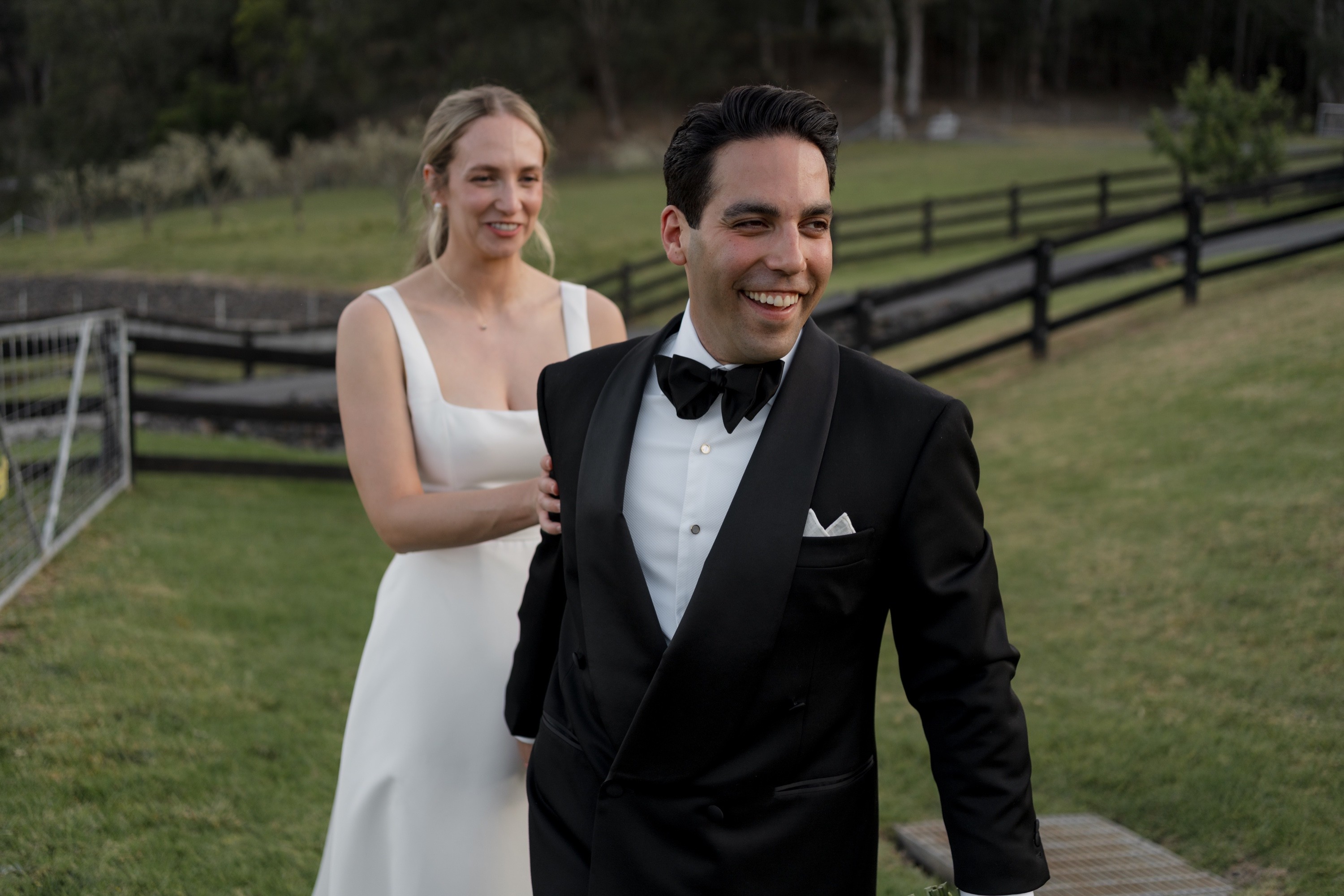
A lightly directed movement can produce a polished frame without asking the couple to hold a rigid pose.
Choose a photographer whose presence suits you
Candid coverage is not only a visual style. It is also how the photographer behaves around you and your guests. Some people want a photographer who gives frequent energy and direction. Others want someone quieter who watches, anticipates and steps in only when needed. Neither approach is automatically better, but the fit matters.
When you review a full gallery, look beyond the most dramatic portraits. Are there photographs of the people listening during the vows? Do transitions feel observed? Is there variety once the reception becomes dark and crowded? Do the images still feel close when nothing formal is happening? Those frames reveal the photographer’s real working rhythm.
Let the reception breathe
If the entrance, speeches, cake, first dance and another formal event happen back to back, guests spend most of the reception watching. Spacing the formalities gives people time to talk, move and react — which makes the evening feel better and creates a more complete set of candid photographs.
Once dancing begins, proximity matters. A photographer who stays near the action can work with gestures, expressions and changing groups instead of making every dance-floor photograph from the edge of the room.
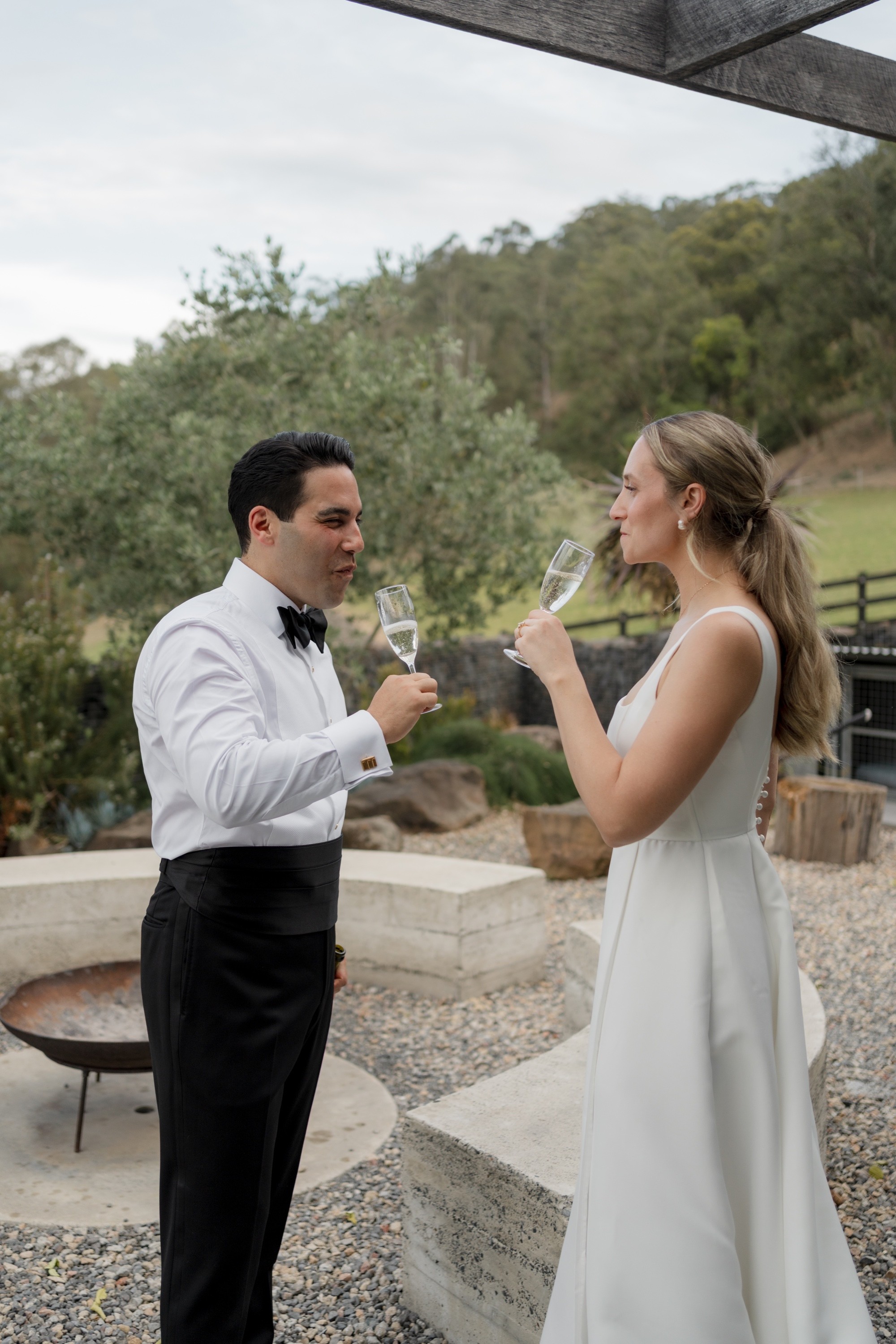
The in-between parts of the reception often become the photographs that feel most personal later.
What still deserves gentle direction
A candid approach does not mean refusing to help. Family groups need organisation. A clean portrait may need a small change in position. Harsh or mixed light can be improved by moving a few metres. A crowded doorway may need to be cleared before a ceremony entrance.
The useful distinction is whether direction serves the day or takes it over. My approach to posing couples on a wedding day uses movement and simple prompts when needed, then gets out of the way of what happens next.
Candid wedding photography FAQs
Can candid wedding photos still feel editorial?
Yes. Editorial describes the visual finish and intention; candid describes how a moment happened. Strong composition, considered light and careful editing can give real interactions an editorial quality without staging them.
Do we need to pose at all?
Usually, a little direction helps with family groups and a concise set of couple portraits. It does not need to dominate the day. The goal is enough help to make those frames confidently, then time for real interactions to continue.
How long should we leave our guests for portraits?
There is no single duration that fits every venue and season. Keep the locations close, agree on the essential photographs and consider splitting portraits into two shorter windows. If a portrait plan requires a long drive, treat that as a genuine trade-off rather than hidden time.
Should we give our photographer a candid shot list?
Share important people, relationships, traditions and any sensitive family circumstances. Avoid trying to script dozens of spontaneous moments. A short family-group list is practical; a long candid checklist can make the coverage less responsive.
Can camera-nervous couples still get natural photographs?
Yes. You do not need to perform confidence. A photographer can use clear prompts for the short portrait part, while most of the day gives you something real to do: talk, walk, greet people, listen and celebrate. The right working presence should reduce pressure rather than add to it.
Planning a NSW wedding that still feels like yours?
Browse my wedding photography portfolio to see how candid moments and short editorial portrait sessions sit together across a wedding day. If you already have a venue, date or draft timeline, send through the details. I can help shape the photography around the celebration instead of asking the celebration to work around the photographs.