
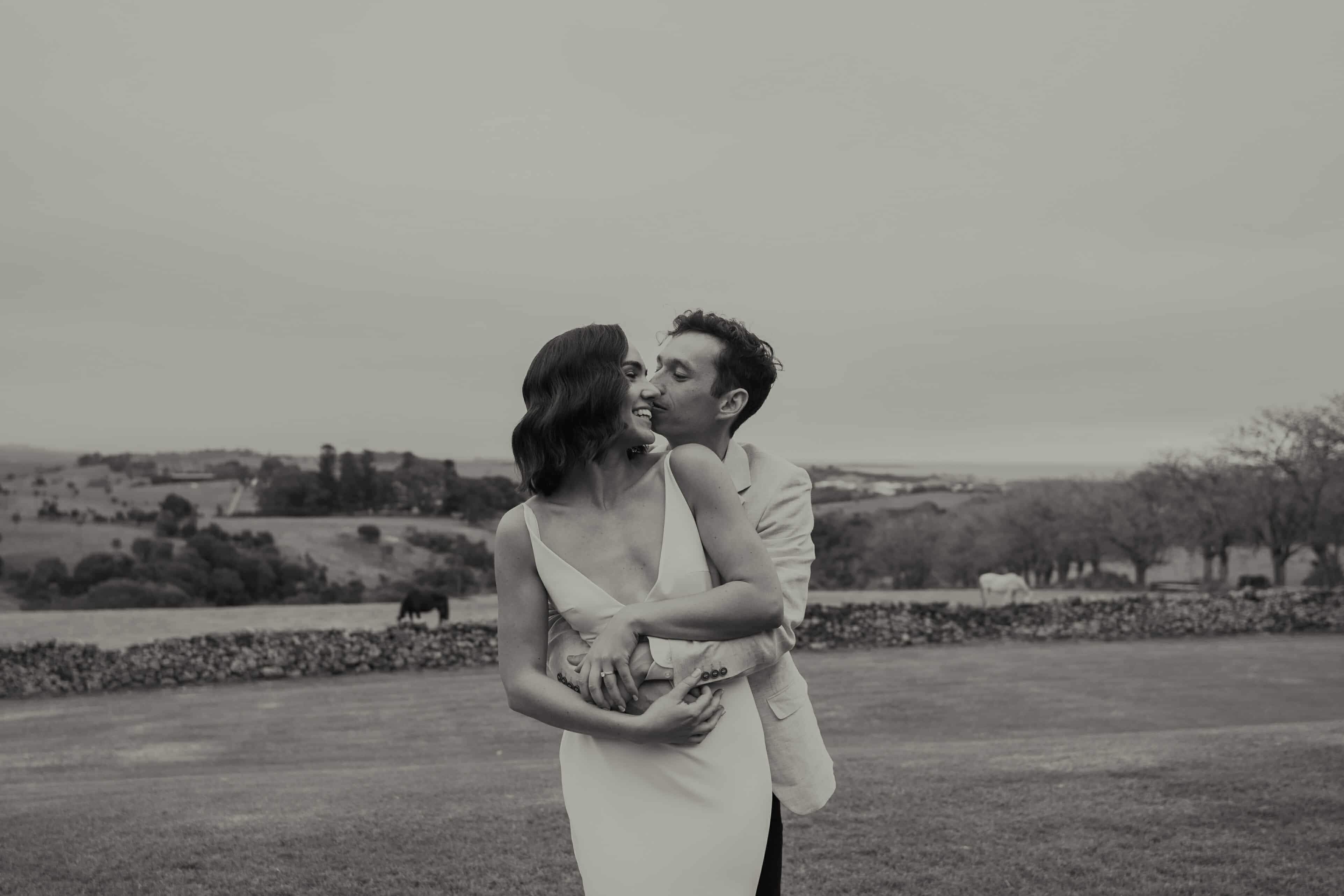

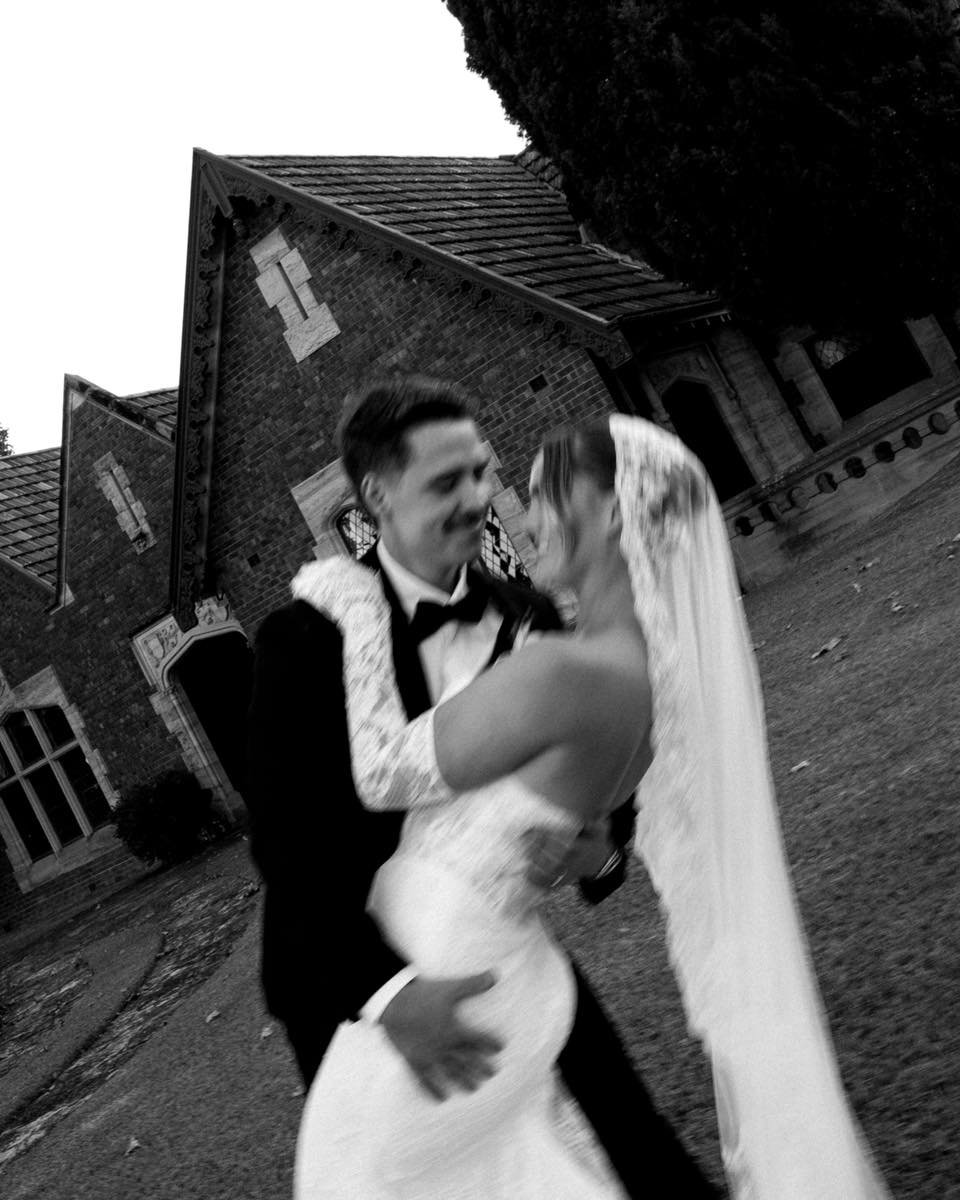
Six hours can be enough for a compact wedding. Eight suits many full wedding days. Ten gives a spread-out timeline room to breathe. The right answer depends less on guest count than on locations, daylight and the moments you want photographed.
Here is the honest way to choose between 6, 8 and 10 hours of wedding photography coverage — including what each option can realistically hold and what may fall outside it.

The short answer
For a compact wedding at one venue, six hours can cover the ceremony, portraits and the beginning of the reception well. Eight hours is the most flexible middle ground for many NSW weddings, often spanning the later part of preparation through key reception formalities. Ten hours is useful when the day moves between locations, starts early or you want a fuller record of the reception and dance floor.
That is a rule of thumb, not a guarantee. Coverage should be fitted to the actual run sheet. An organised six-hour timeline can work better than ten hours with long drives and unplanned gaps.
Coverage | Usually best suited to | The trade-off |
6 hours | A compact, single-location wedding with a later ceremony | Less preparation coverage or an earlier finish during the reception |
8 hours | A conventional full wedding day with modest travel | May not include both long preparations and a late dance floor |
10 hours | Multiple locations, an early ceremony or a fuller reception story | More time than a very simple one-venue day may need |
What actually uses photography coverage time?
Coverage is continuous. Driving between preparation, ceremony and reception locations counts, as do quiet stretches in the schedule. Before choosing a package, map the day from the photographer’s arrival to the last moment you definitely want documented.
The biggest variables are:
how many locations are involved and the real door-to-door travel time;
whether you want one or both preparation stories photographed;
ceremony length and any gap before the reception;
the size and organisation of the family-photo list;
whether portraits happen before or after the ceremony;
sunset time at the venue, particularly during a NSW winter;
when speeches, cake cutting and the first dance are scheduled; and
whether lively dance-floor photographs matter to you.
Guest count matters less than people often expect. A 40-person wedding across four locations can need more coverage than a 140-person wedding held entirely on one property.
Is 6 hours of wedding photography enough?
Yes — when the day is compact by design. Six hours can be a strong choice for a wedding with one main venue, a later ceremony, a concise family list and no need for photography deep into the reception.
An example six-hour window might run from 2:00 pm to 8:00 pm: final preparation and details, a 3:30 pm ceremony, family and wedding-party photographs, a relaxed portrait session, reception entrance and early candid coverage. The exact order changes with the season and venue.
Six hours gets tight when preparation happens in separate towns, the ceremony is early, there is a long church-to-reception drive, or speeches and the first dance are scheduled late. In those cases, the usual compromise is either less preparation coverage at the beginning or missing later reception events at the end.
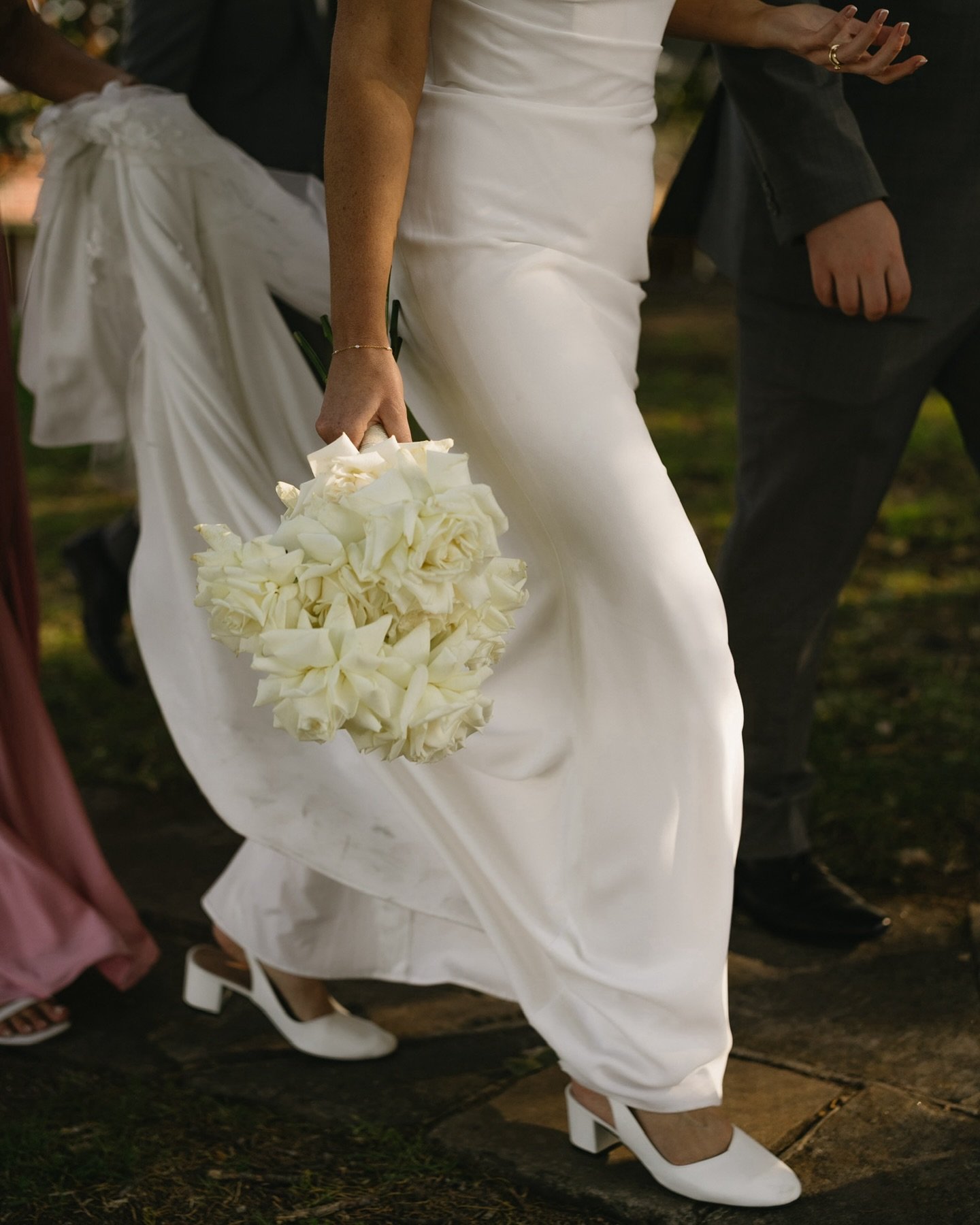
What does 8 hours of wedding photography cover?
Eight hours is a balanced starting point for many weddings. It gives enough room for part of the preparation, the ceremony, family groups, portraits, reception details and key formalities without stretching the day simply to fill time.
An example window might run from 1:00 pm to 9:00 pm. That could include the final stages of getting ready, a mid-afternoon ceremony, post-ceremony candids, family photographs, portraits around the best available light, reception entrance, speeches and the first dance. Whether all of those fit depends on travel and the timing of the reception.
Eight hours is not automatically a full morning-to-midnight story. If you want generous coverage at two separate preparation locations and plenty of dance-floor photographs later, the timeline may need more space.
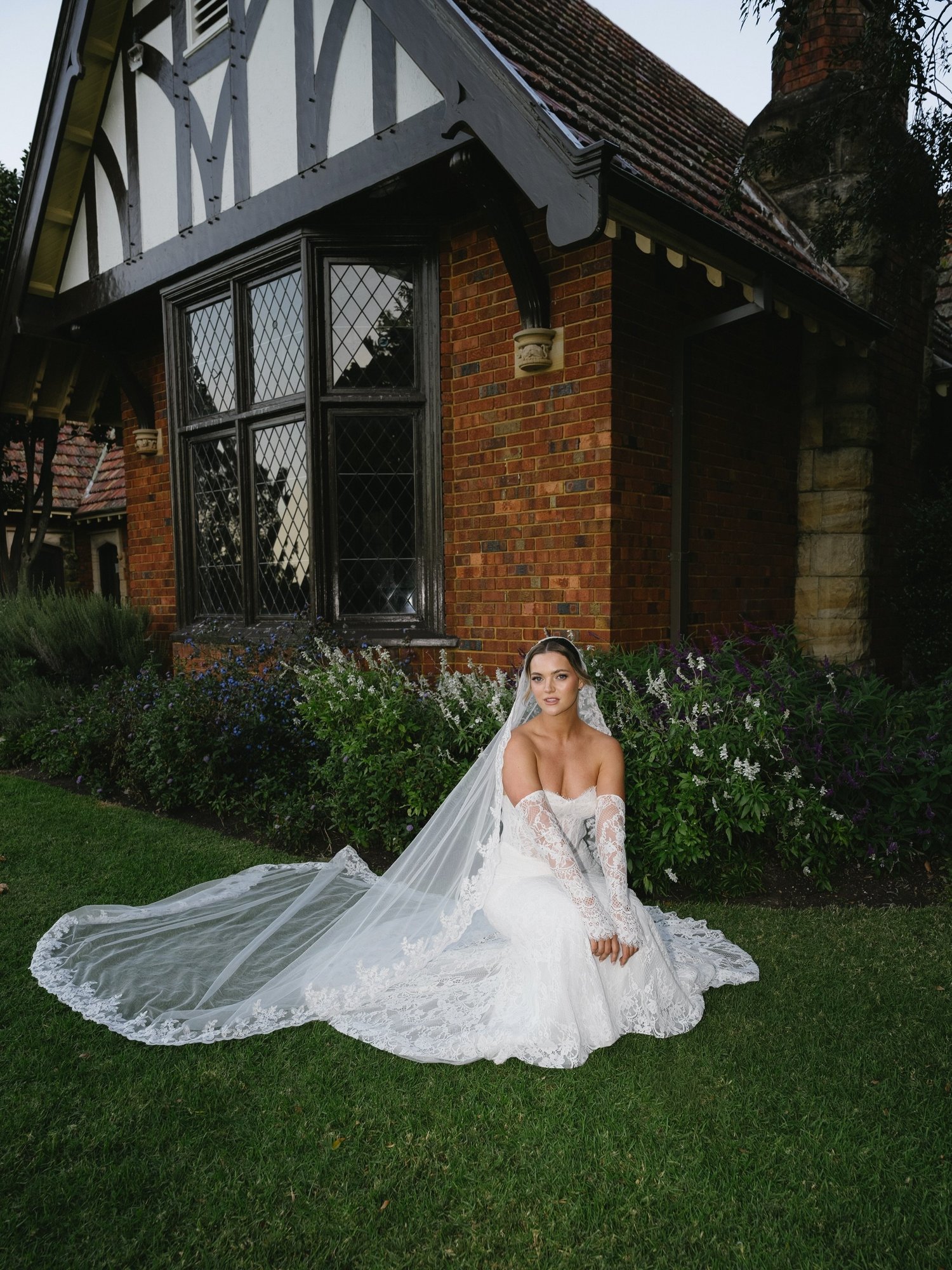
When 10 hours makes sense
Ten hours is valuable when there are more moving parts rather than simply more guests. It allows a broader view of the morning, more travel buffer and a later finish without turning every portrait or transition into a race.
It is often worth considering when:
preparation, ceremony and reception are in different locations;
the ceremony begins early;
cultural or religious events add meaningful parts to the day;
you want a first look as well as unhurried family and couple portraits;
sunset happens well before reception formalities; or
speeches, cake cutting, first dance and the party all matter to the final gallery.
Ten hours does not mean photographing every minute. Dinner service and transitions can be used to reset, back up and prepare for what comes next. The benefit is room to respond when the day shifts, rather than cutting something important because the clock has run out.
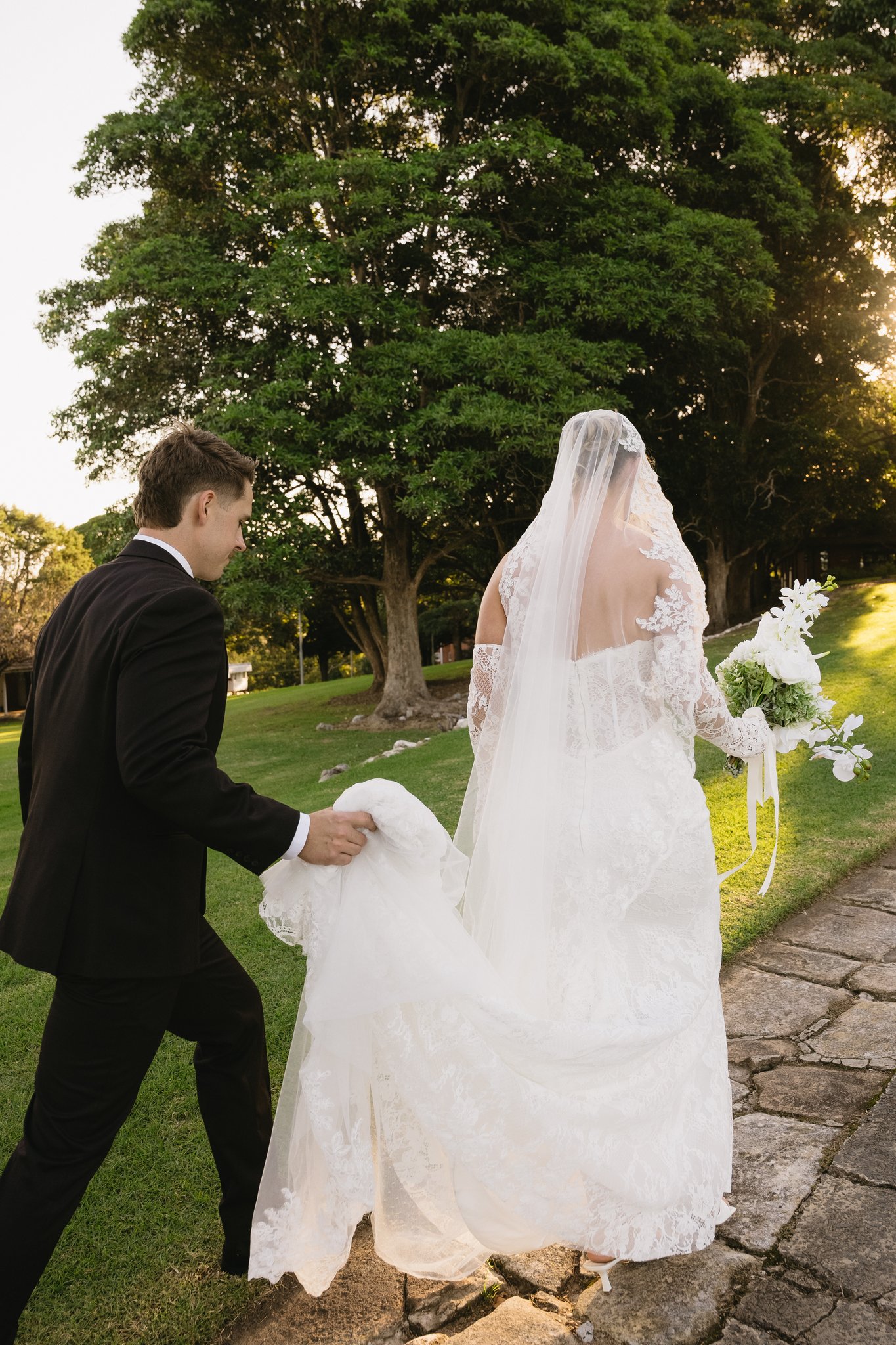
Choose the moments first, then the hours
Instead of starting with a package, write down the photographs you would be disappointed not to have. For one couple that may be a parent helping with the final buttons before the ceremony. For another it is the reaction at the end of a speech or the point when the dance floor becomes gloriously chaotic.
Then place those moments on the draft run sheet. The first essential moment sets the photography start time; the last essential moment sets the finish. Add realistic travel and a small buffer. The difference between those two times is the coverage you actually need.
This approach also makes budget decisions clearer. If six hours covers every priority, there is no reason to add time for appearance’s sake. If the first dance sits nine hours after the moment you want photographed during preparation, a six-hour package will require a real compromise.
How a first look changes the timeline
A first look can move couple and wedding-party portraits earlier, leaving more of cocktail hour free for guests and candid photographs. It can make a compact schedule more efficient, but it does not always reduce the total coverage required — the photographer still needs to arrive early enough for it. For the practical pros and cons, read Why I Recommend a First Look (and When I Don’t).
Daylight matters more than the package label
The same eight-hour package behaves differently in January and July. In summer, portraits can happen later; in winter, useful natural light may disappear before the reception begins. I work backwards from the sunset at your venue, then protect enough time for portraits without pulling you away from guests for longer than necessary. If you are shaping your ceremony time, the guide to the best time of day for wedding photos explains how Australian light changes the plan.
Does a second photographer replace extra hours?
No. A second photographer creates simultaneous coverage; extra hours extend the beginning or end of the story. Two photographers can be useful when both partners are getting ready at the same time in separate places, or when guest reactions and ceremony action need to be covered together. They do not turn an eight-hour booking into ten hours.
Questions to answer before booking coverage
What is the first moment we definitely want photographed?
What is the final reception event we definitely want photographed?
How many locations are involved, and what is the realistic travel time?
Do we want both preparations covered?
Are speeches and the first dance early or late in the reception?
What time is sunset at the venue on our date?
Are there cultural, religious or family traditions that need protected time?
Would missing the late dance floor bother us more than missing early preparation?
Frequently asked questions
Is 6 hours enough for a wedding photographer?
Six hours can be enough for a compact wedding at one main location, especially with a later ceremony and an early reception schedule. It is usually not enough for extensive preparation coverage, multiple locations and a late dance floor all in the same day.
Is 8 hours enough for a full wedding day?
For many weddings, yes. Eight hours can often cover the later part of preparation through key reception formalities. It becomes tight when travel is significant, the ceremony is early or important reception events are scheduled late.
Do we need the photographer until the end of the reception?
Usually not. Once the important formalities are finished and the dance floor has developed some energy, another hour of similar dancing photographs may add less variety. Stay later when a specific event, cultural tradition or exit genuinely matters to you.
Can we add an hour later?
Sometimes, but availability and terms vary. It is safer to build a realistic draft timeline before booking and confirm flexibility with your photographer rather than relying on overtime on the day.
When should wedding photography coverage start?
Start far enough before the ceremony to photograph the preparation moments and people you value, while avoiding hours of repetitive hair and makeup coverage. The right arrival time depends on the ceremony, travel and whether one or both preparations are being photographed.
Work out the right coverage for your NSW wedding
Andre offers 6, 8 and 10 hour wedding photography options. The useful question is not which number sounds most complete; it is which one fits the day you are actually planning.
Browse the wedding photography portfolio to see the balance of candid moments and editorial portraits across a full celebration. If you have a venue, ceremony time and rough reception schedule, send through the details. Andre can map the coverage to your priorities and tell you where the timeline is comfortable — and where it is likely to feel rushed.