
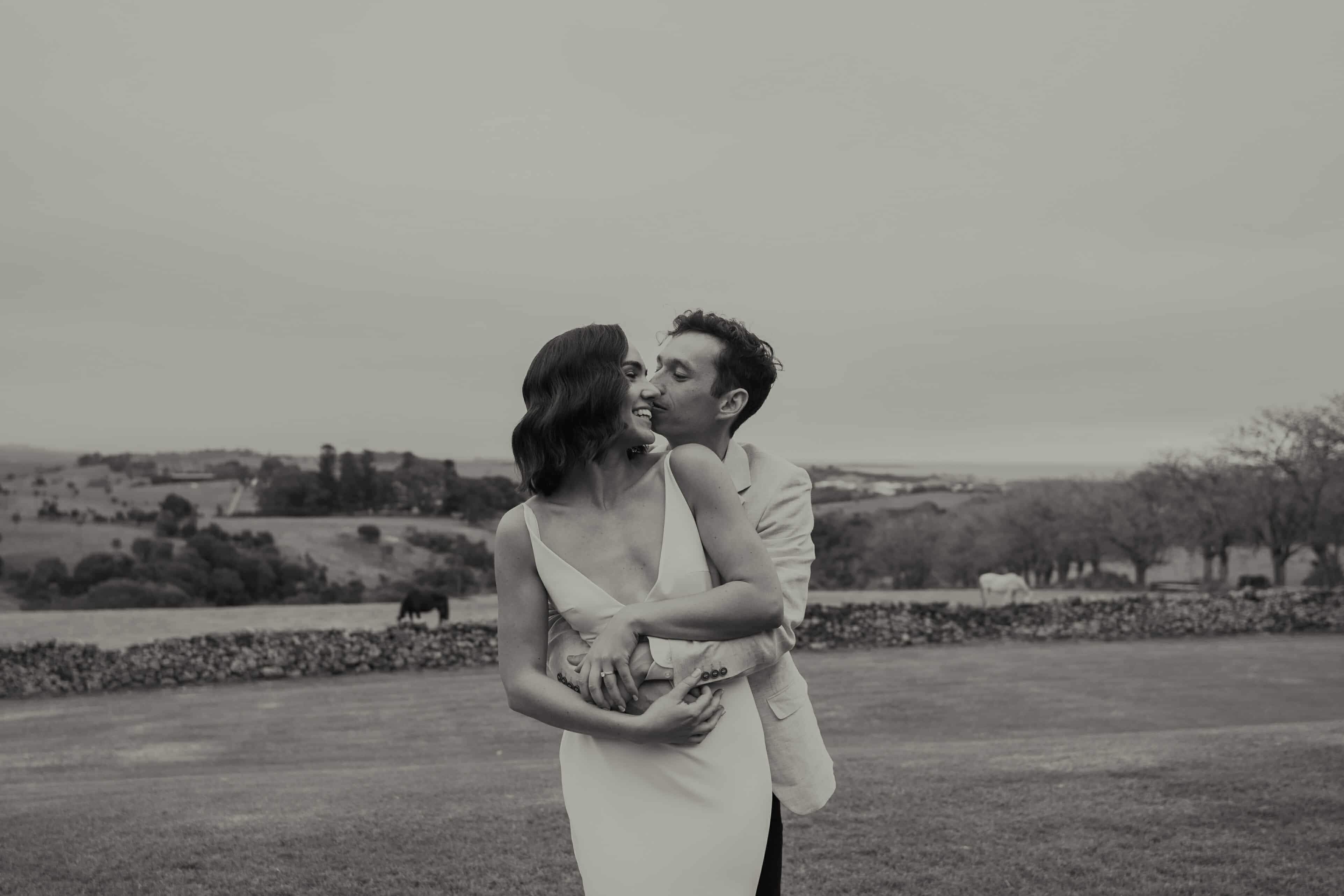


The South Coast of New South Wales is one of my favourite stretches of country to photograph a wedding. Within a short drive you can move from white-sand beaches to wind-sculpted headlands and heritage sandstone.
Here's a photographer's guide to the locations that consistently shine for ceremonies, couples portraits and elopements, plus how I plan a day around the light and the landscape.
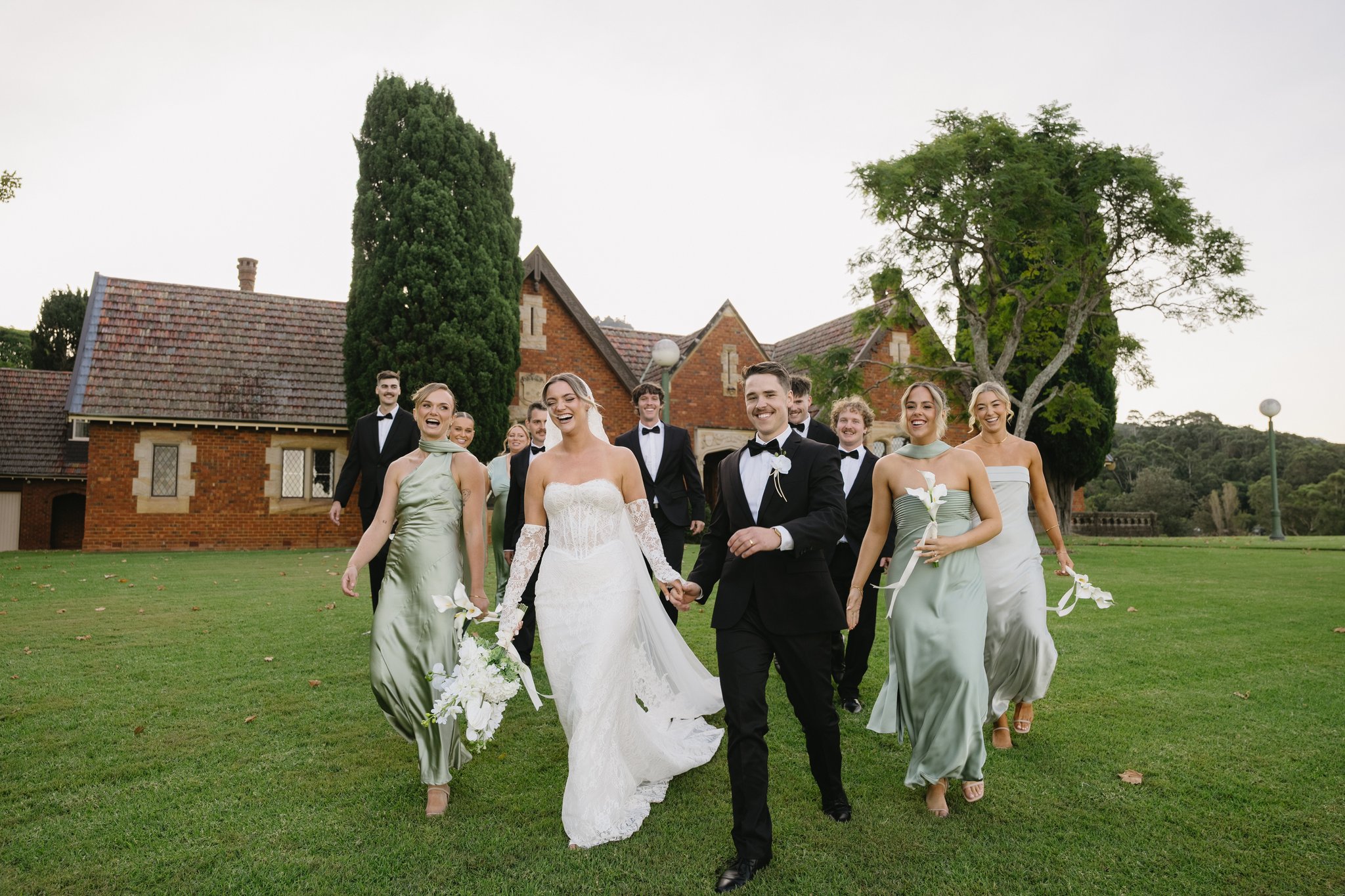
The South Coast of New South Wales is one of my favourite stretches of country to photograph a wedding. Within a short drive you can move from white-sand beaches to wind-sculpted headlands, from quiet eucalypt forest to heritage brick buildings with carved sandstone detail. If you're searching for South Coast NSW wedding photography locations, the good news is you're spoilt for choice. The harder part is narrowing it down.
This guide walks through the kinds of locations that consistently photograph beautifully for ceremonies, couples portraits and elopements, plus the practical things I think about as a photographer when planning the day around the light and the landscape.
What makes the South Coast so good for wedding photos
The coastline here has a particular quality of light: soft, warm and a little hazy, especially in the golden hour before sunset. Combine that with genuine variety in a small area and you get a region where you don't have to sacrifice one look for another.
When couples ask me where to shoot, I'm usually weighing up three things:
Light direction and time of day: east-facing beaches glow at sunrise, while headlands and inland clearings shine at sunset.
Variety within walking distance: the best plans avoid long drives between ceremony, portraits and reception.
Access and privacy: some spots are quiet on a weekday morning but busy by afternoon in summer.
Beaches and coves for ceremonies and barefoot portraits
It wouldn't be a South Coast wedding without sand somewhere in the day. The region's beaches range from wide-open arcs to tucked-away coves framed by rock.
For a beach ceremony, I usually recommend planning around the tide and the sun. Late afternoon light flatters everyone, and a lower tide gives you more room and beautiful wet-sand reflections. Bring a few simple things: a blanket, a hat, and shoes you can actually walk in across soft sand.
For portraits, the magic often happens at the edges:
Rock pools and tidal shelves at low tide for texture and reflection.
Grassy dunes and coastal scrub for softer, painterly backgrounds.
The line where the sand meets the treeline for shade on a harsh day.
Headlands, cliffs and lookouts for dramatic light
If you want scale and drama, the South Coast headlands deliver. Elevated lookouts give you sweeping ocean backdrops and that sense of standing on the edge of the country, particularly powerful for elopements and intimate ceremonies where the landscape is the third guest.
A few photographer's notes for clifftop and headland sessions:
Wind is real. A veil will move, and that can look gorgeous, but pin hair securely and choose a dress that handles a breeze well.
Footwear matters on uneven, rocky ground. Keep heels for flat areas and carry sturdier shoes for the walk in.
Sunset is king here. West-facing headlands catch the last warm light beautifully, so build your timeline so portraits land in that final golden hour.
Forests, farmland and gardens for soft, romantic frames
Step just inland and the coastal palette changes to deep greens, dappled light and rolling farmland. Eucalypt forest gives you tall trunks and filtered sun that's wonderfully forgiving, ideal for couples who feel nervous in front of the camera, because the light does half the work.
Garden estates and rural properties are also abundant across the South Coast and the neighbouring Southern Highlands, and they pair manicured lawns with open sky. A single sprawling tree beside a building can become the anchor of a whole portrait set, as it does in this real South Coast wedding at Greyleigh in Kiama.
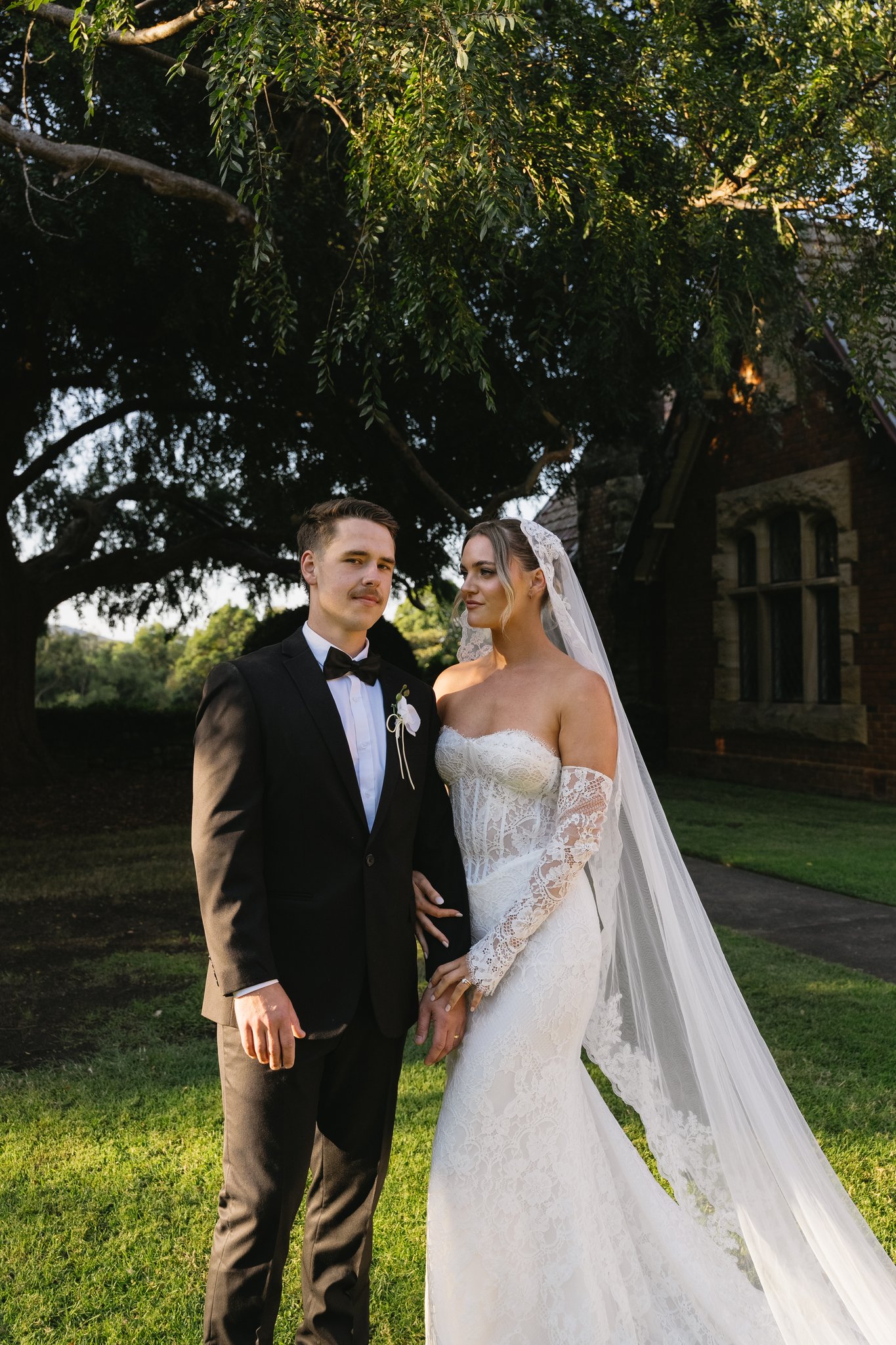
Heritage venues and historic buildings
Not every couple wants sand and salt air, and the South Coast has plenty of character beyond the coastline. Heritage brick buildings, sandstone archways and old farm structures bring warmth, texture and a sense of story to a wedding.
I love these locations because they give you a built-in variety of backdrops in one place: weathered brick walls, carved stone detail, shaded verandahs and open lawns. On a hot or rainy day, that flexibility is invaluable.
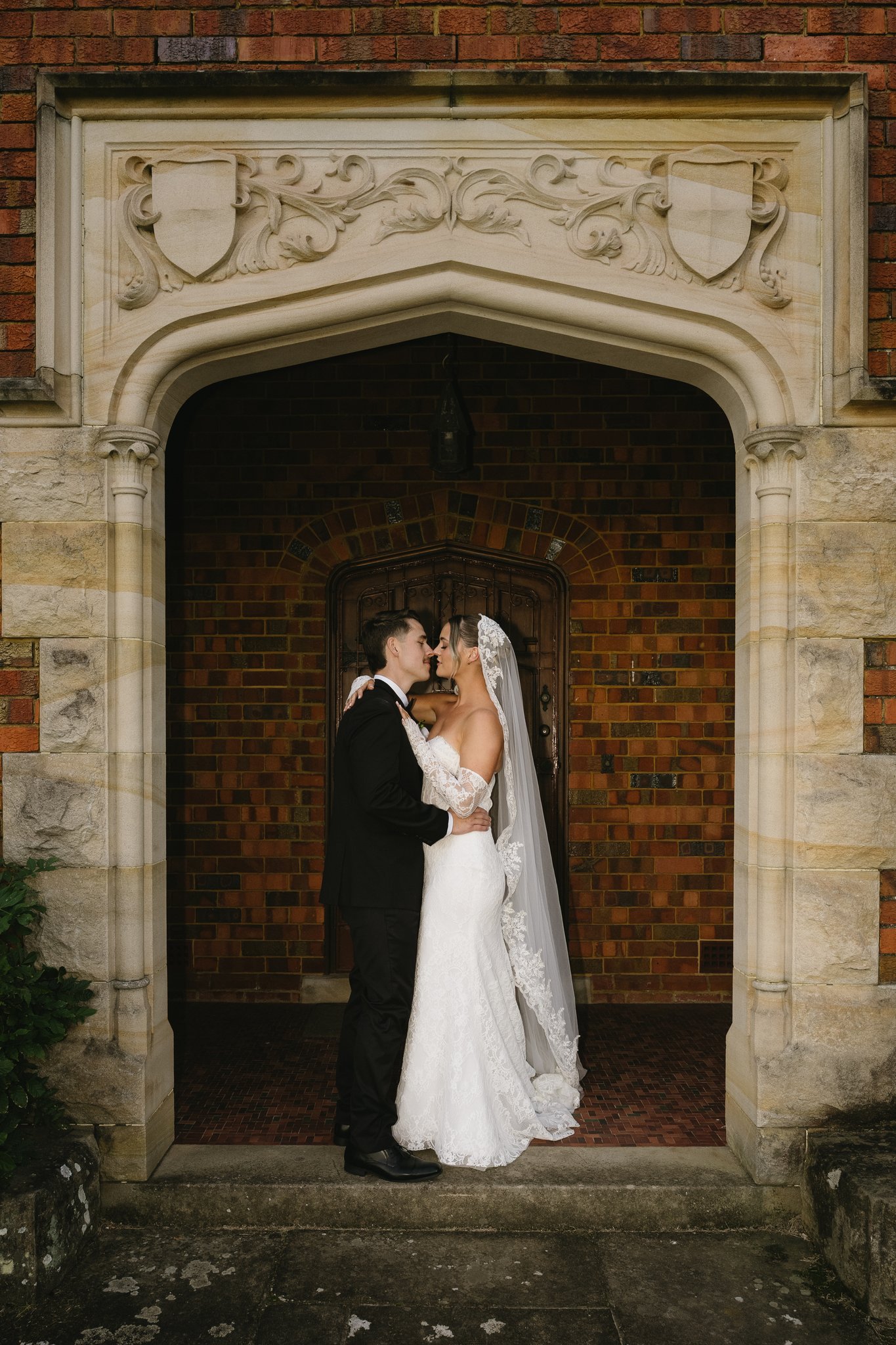
When scouting a heritage venue, look for:
Covered or shaded areas for portraits in midday sun.
Interesting architectural detail: archways, doorways and columns frame people naturally.
A clear, uncluttered ceremony spot that won't fight the building for attention.
Planning South Coast elopements
Elopements suit the South Coast perfectly. With fewer guests and less logistics, you can chase the best light and explore more than one location in a single day: a sunrise on a quiet beach, portraits at a headland, and a relaxed celebration somewhere with a view.
A few things worth sorting early:
Permits. Many national parks, reserves and council beaches require a permit for a ceremony, even a tiny one. Check before you commit to a spot.
Backup for weather. Coastal weather turns quickly. Always have a sheltered plan B.
Timing. Weekday mornings are usually the quietest and most private, especially in peak season.
If you're unsure how to stitch locations together into a realistic timeline, that's exactly the kind of thing I help couples plan, so get in touch and we can map it out together.
How I plan a South Coast wedding day around locations
Great photos rarely happen by accident. Before a wedding I look at sunrise and sunset times, the direction of light at each location, the tide, and how long it takes to move between spots. The aim is to put you in the right place at the right moment without rushing.
My general rule of thumb:
Ceremony in even, flattering light, often mid-to-late afternoon.
Couples portraits reserved for golden hour, even if that means stepping away from the party for fifteen minutes.
Family and group photos earlier, while light is still soft and everyone is together.
Good planning means you spend the day enjoying your wedding rather than chasing photos, and you still come home with images that feel like the South Coast.
FAQ
What's the best time of year for a South Coast NSW wedding?
Late spring and early autumn are reliably beautiful: warm but not scorching, with gentle light. Summer is stunning but busier and hotter, so plan around the heat and crowds. Winter can be wonderfully quiet and dramatic for elopements.
Do we need a permit for a beach or headland ceremony?
Often, yes. Many councils and national parks require a permit for ceremonies on public land. It's worth checking with the relevant authority well in advance so your chosen spot is locked in.
Can we visit multiple locations on the wedding day?
Absolutely, and the South Coast makes it easy because so much variety sits close together. The key is a realistic timeline that accounts for travel and light, something I help every couple plan.
How far in advance should we book a photographer?
For peak-season Saturdays, 12 to 18 months ahead is common. Off-season and weekday dates can sometimes be booked closer in, but the earlier you reach out, the more flexibility you'll have.
Ready to plan your South Coast wedding?
Whether you're dreaming of a barefoot beach ceremony, a dramatic clifftop elopement or portraits among heritage brick and sandstone, the South Coast has a backdrop for you. I'd love to help you find the locations that suit your story and capture them in warm, natural light. Take a look at my wedding photography and get in touch to start planning your day.